
Building a deck is one of the most rewarding ways to enhance your home. It creates a space for relaxing, entertaining, and enjoying the outdoors—while also adding value and usable square footage. But as many homeowners quickly discover, deck construction is not without its complications.
Whether you’re planning to build your deck yourself or work with a contractor, understanding the most common deck building challenges ahead of time can make all the difference. At Norcross Supply, we work with both homeowners and professionals every day, and we’ve seen where projects succeed—and where they often run into trouble.
This article is designed to help you think through the process, avoid common pitfalls, and ask the right questions before construction begins. While this discussion focuses on planning and materials, we’ll also briefly touch on contractor considerations at the end—and note that contractor selection itself is a topic worth its own separate conversation.
Challenge #1: Starting Without a Clear Plan
One of the most common mistakes in deck building happens before the first board is ever installed: lack of planning. It’s easy to get excited about the idea of a new outdoor space and jump straight into construction, but unclear goals often lead to costly changes later.
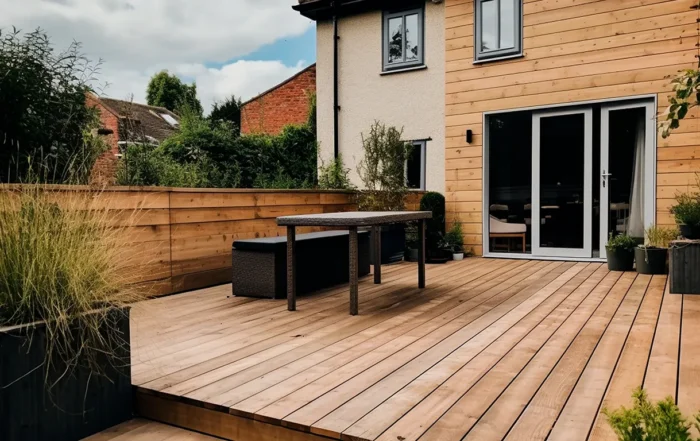
A deck should be designed around how you plan to use it. Will it be a quiet space for morning coffee? A large gathering area for entertaining? A transition space between indoors and outdoors? Each of these uses affects layout, size, materials, and features like stairs, railings, and lighting.
How to overcome it:
Take time to define your goals before committing to a design. Think through traffic flow, furniture placement, sun exposure, and how the deck connects to your home and yard.
Questions to ask:
- Does this layout reflect how I’ll actually use the space?
- Have I accounted for shade, drainage, and accessibility?
One of the simplest but most effective deck building tips is this: slow down at the planning stage so you don’t have to fix problems later.
Challenge #2: Choosing the Wrong Materials
Not all lumber is created equal, especially when it comes to outdoor use. One of the most significant deck building challenges homeowners face is selecting materials that don’t hold up over time.
Georgia’s climate—heat, humidity, and seasonal moisture—demands materials that can withstand the elements. Using the wrong type of wood, or a lower grade than appropriate, can lead to warping, splitting, or premature deterioration.
How to overcome it:
Choose materials based on performance, not just price. At Norcross Supply, customers can choose from proven options like:
- Western Red Cedar – naturally resistant to rot and insects, with excellent stability
- Cypress – well-suited to humid climates, with natural durability
- Pressure-treated pine – a cost-effective structural solution
- Hemlock and Douglas Fir – strong and stable options for framing and support
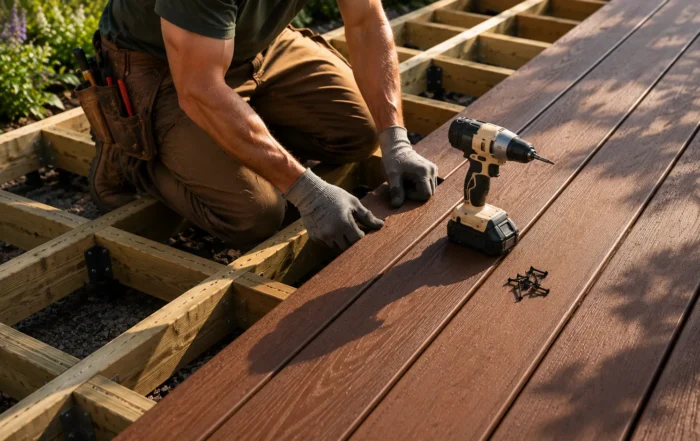
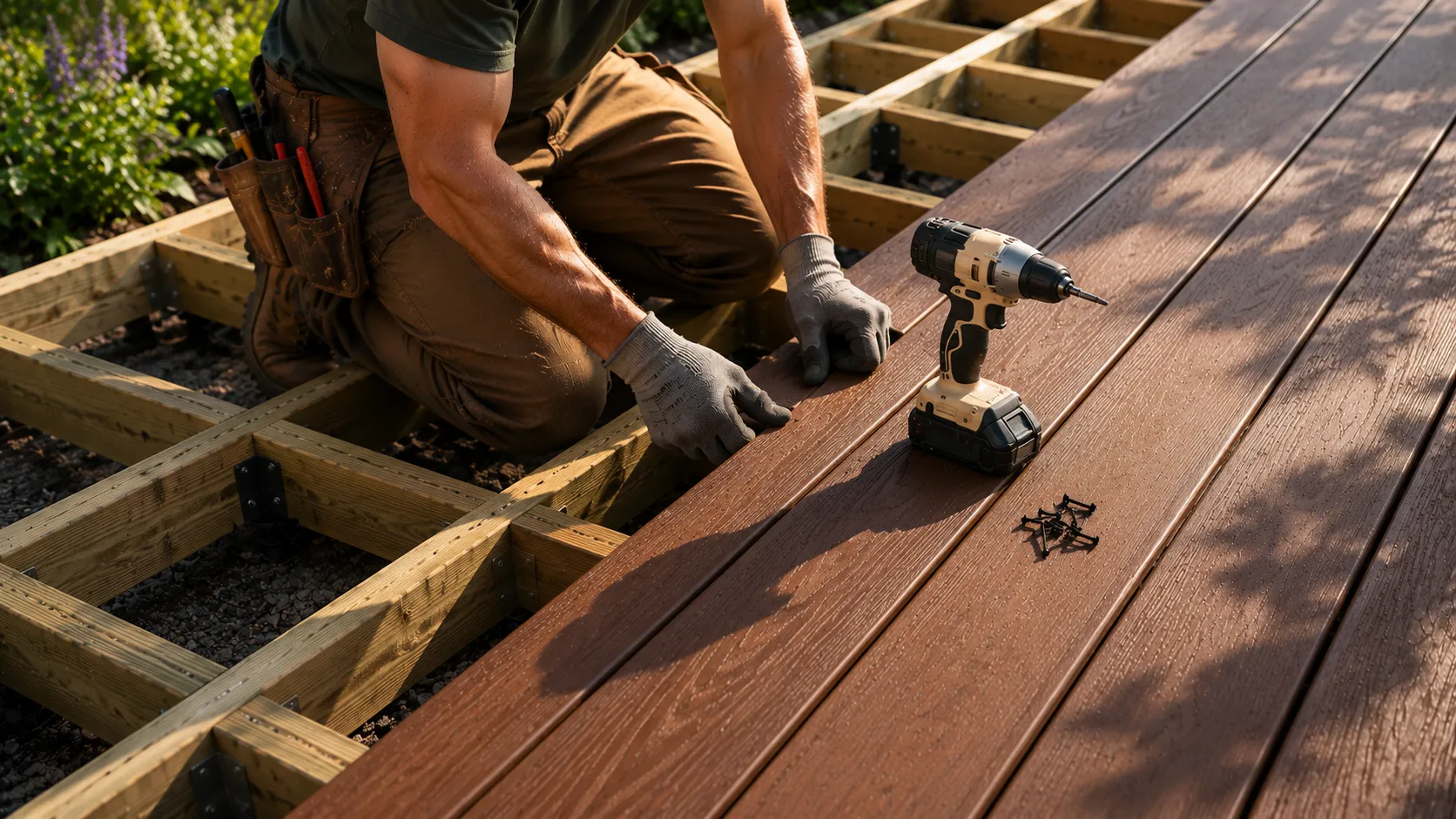
- Trex® composite decking – low-maintenance and long-lasting
Questions to ask:
- Why is this material appropriate for my environment?
- What kind of maintenance will it require over time?
Making the right material choice upfront is one of the most important steps in overcoming construction issues later on.
Challenge #3: Overlooking Structural Requirements and Permits
A deck may look simple from the surface, but structurally, it’s a system that must safely support weight, resist movement, and stand up to environmental stress. Problems in this area are often hidden—but they can be serious.
Improper footings, undersized framing members, or incorrect spacing can compromise the entire structure. These are not always visible once the deck is complete, which is why it’s important to understand what’s happening beneath the surface.
Just as important—and often overlooked—is the issue of building permits and code compliance. In many (and often most) municipalities, a deck requires a building permit, especially when it is attached to the home. This is not just a bureaucratic step—it’s a safety requirement.
Attached decks must be built using approved attachment methods, including proper ledger boards, flashing, and structural connectors. These elements are designed to:
- Safely transfer loads to the home’s structure
- Prevent deck separation or collapse
- Protect against water intrusion, which can lead to long-term structural damage inside the home
Trying to bypass permit requirements or “build around” code can lead to serious consequences—including failed inspections, costly rework, or even safety hazards.
How to overcome it:
Ensure that your deck design complies with local building codes and permitting requirements from the start. This includes proper footing depth, framing specifications, and approved attachment methods when connecting to a home.
Questions to ask:
- Will this project require a permit, and who is responsible for obtaining it?
- How will the deck be attached to the house, and what methods are used to prevent water intrusion?
- What type of connectors and hangers will be used to meet code requirements?
At Norcross Supply, we regularly work with both homeowners and contractors who are building to code. While we don’t handle permitting, we can help you understand the types of materials—such as structural lumber, hangers, and fasteners—that are commonly used in compliant, long-lasting deck construction.
Challenge #4: Using the Wrong Fasteners and Hardware
It’s easy to focus on lumber and overlook the importance of hardware—but fasteners play a critical role in the longevity of a deck. Using the wrong screws, nails, or connectors can lead to corrosion, staining, or even structural failure over time.
This is especially important when working with pressure-treated lumber or composite materials, which require compatible fasteners.
How to overcome it:
Use corrosion-resistant hardware specifically designed for outdoor applications. Make sure fasteners are appropriate for the materials being used and for the environmental conditions.
Questions to ask:
- Are these fasteners rated for outdoor use and treated lumber?
- How will they perform over a period of time in this climate?
Paying attention to hardware is a key part of overcoming construction issues that might otherwise appear a few years down the road.
Challenge #5: Moisture and Weather Exposure
Decks live outdoors year-round, which means they’re constantly exposed to moisture, sunlight, and temperature changes. Over time, this exposure can lead to rot, mildew, and general wear.
Water is one of the biggest enemies of wood. Poor drainage or trapped moisture can accelerate deterioration and shorten the life of your deck significantly.
How to overcome it:
Choose materials that naturally resist moisture or are designed for outdoor durability. Plan for proper drainage, spacing between boards, and airflow underneath the structure. Applying high-quality stains or sealers can also extend the life of wood surfaces.
Questions to ask:
- How does this design allow water to drain properly?
- What maintenance will be required to protect the materials?
At Norcross Supply, we help customers select both durable materials and appropriate finishing products to handle Georgia’s climate.
Challenge #6: Inconsistent Appearance and Finish
Even a structurally sound deck can fall short if it doesn’t look right to you. Variations in color, grain, or board quality can create a patchy or uneven appearance.
This is especially important for visible surfaces like decking boards, railings, and trim.
How to overcome it:
Plan your material layout before installation. Whenever possible, select boards for consistency in color and grain, and use stains or finishes to unify the appearance.
Questions to ask:
- Can I review and select the materials before installation?
- How will the finished deck look once everything is installed and treated?
One advantage of working with a dedicated lumber supplier like Norcross is the ability to choose from a large inventory—giving you more control over the final look.
Challenge #7: Not Asking Enough Questions Upfront
Many of the most frustrating deck problems come down to a lack of communication or understanding at the beginning of the project. Assumptions—about materials, timelines, or construction methods—can lead to surprises later.
How to overcome it:
Take an active role in the planning process. Ask questions, review details, and make sure you understand how your deck will be built and what materials will be used.
Questions to ask:
- What are the key steps in the building process?
- What potential challenges do you anticipate, and how will they be handled?
One of the best deck building tips we can offer is this: informed homeowners make better decisions—and get better results.
A Note on Contractor Selection
While this article focuses on planning and materials, it’s important to recognize that choosing the right contractor is also a critical part of a successful deck project.
Factors such as experience, licensing, insurance, familiarity with deck construction, and crew size all play a role in how smoothly your project goes. These considerations deserve careful attention—and they go beyond the scope of this particular discussion.
We’ll explore contractor selection in more detail in a future article.
Conclusion: Build with Confidence from the Start
Every deck project comes with its share of deck building challenges, but most can be addressed—or avoided entirely—with the right preparation.
It’s also important to remember that many deck projects require permits and must meet specific building codes—especially when attached to the home. Taking the time to understand these requirements upfront is one of the smartest ways to avoid delays and costly corrections later.
By planning carefully, selecting the right materials, and asking the right questions, you can move forward with confidence and set your project up for long-term success.
At Norcross Supply, we’re here to support that process. From premium lumber and composite decking to expert guidance built on decades of experience, we help homeowners and professionals alike overcome construction issues and build outdoor spaces that last.
About the Author: Grant Carmichael

Share This Story, Choose Your Platform!
How can we help?
[ninja_form id=1]